New Year's Day comes to Baytown the way it comes to most places, which is to say late. The streets off Garth Road are quiet until nearly noon. Somebody's trash can is on its side in the driveway from last night's wind. The drive-throughs have a line by ten, the grocery store lots fill by one, and the whole town has the look of a place that stayed up past its bedtime and is not the least bit sorry. Football is on somewhere behind every window. There are black-eyed peas on the stove in a lot of kitchens and tamales left over from Christmas in a lot of others, and down at the water a few people are fishing off the pier at Bayland Park in their coats, because the first day of the year is as good a day as any to catch nothing.
And across the water, behind them, the plant is doing exactly what it was doing the night before.
It took me years of living here to see that, and I want to say it plainly. The plant has no New Year. I do not mean that the people who work there skip the holiday. They keep it the same way everybody does, with the same peas and the same football, on whatever day the rotation hands them. I mean that the process itself, the thing inside the pipes, did not notice midnight. A cracking furnace running at eight or nine hundred degrees does not have a place to write the date. A distillation column that has been separating crude into its fractions for months without a pause does not know that the people in the town around it decided, at a certain hour, to start counting from one again.
We call it a continuous process, and the phrase is so ordinary out here that we forget how strange it is. Most of what people have made in the history of the world is made in batches. You bake a loaf, you fire a pot, you pour a casting, you finish, you clean up, you start again. The refinery does not work that way. Crude oil goes in one end of it and never stops going in. Gasoline and diesel and jet fuel and the feedstocks for the chemical plant come out the other end and never stop coming out. Between those two ends is a set of vessels that have been hot and full and moving for a very long time. The engineers plan for a unit to run for years between the big shutdowns, the turnarounds, when the contract crews come in by the thousands and the hotels fill up and the whole thing is taken apart and put back together. Then it is lit again, and it runs, and it is not supposed to stop. Stopping is the expensive thing, the dangerous thing, the thing the whole design exists to avoid. Steadiness is not a mood out there. It is the engineering.
Take the column itself. Crude comes into the bottom of it hot, and the light parts rise as vapor while the heavy parts stay down. The inside is a stack of trays, and at each tray the rising vapor meets liquid coming back down, and the two trade heat, and the vapor gives up whatever is too heavy to go higher. At the top is the lightest stuff in the barrel, at the bottom the heaviest, and at every level between them a different product is drawn off through a pipe in the wall. Part of what comes off the top is cooled and sent back down to keep the whole thing in balance. That returning stream is called reflux, and it is the reason the column can hold its separation for months. Nothing in that description has a beginning or an end. It is a river that has been arranged so that it runs in place.
So imagine the control room a little before midnight on the last night of the year. I am not going to tell you which plant, and I am not going to give the operator a name, because it does not matter and because it is every one of them. There is a wall of screens. There are numbers on the screens, temperatures and pressures and flow rates, thousands of them, and every one of those numbers is a sentence the process is speaking about itself. Somebody has a phone propped against a monitor with the ball in New York on it, an hour ahead of us, and then a local channel with the countdown, and at midnight there is a small cheer and maybe a handshake, and then everybody looks back at the wall. The numbers did not move. The furnace is at its temperature. The column is at its pressure. The flare is doing what a flare does. The year changed, and the plant did not feel it, and the operator on the tower knew it would not, and went back to work.
I do not find that sad. I think it is one of the most honest pictures there is of what a year actually is.
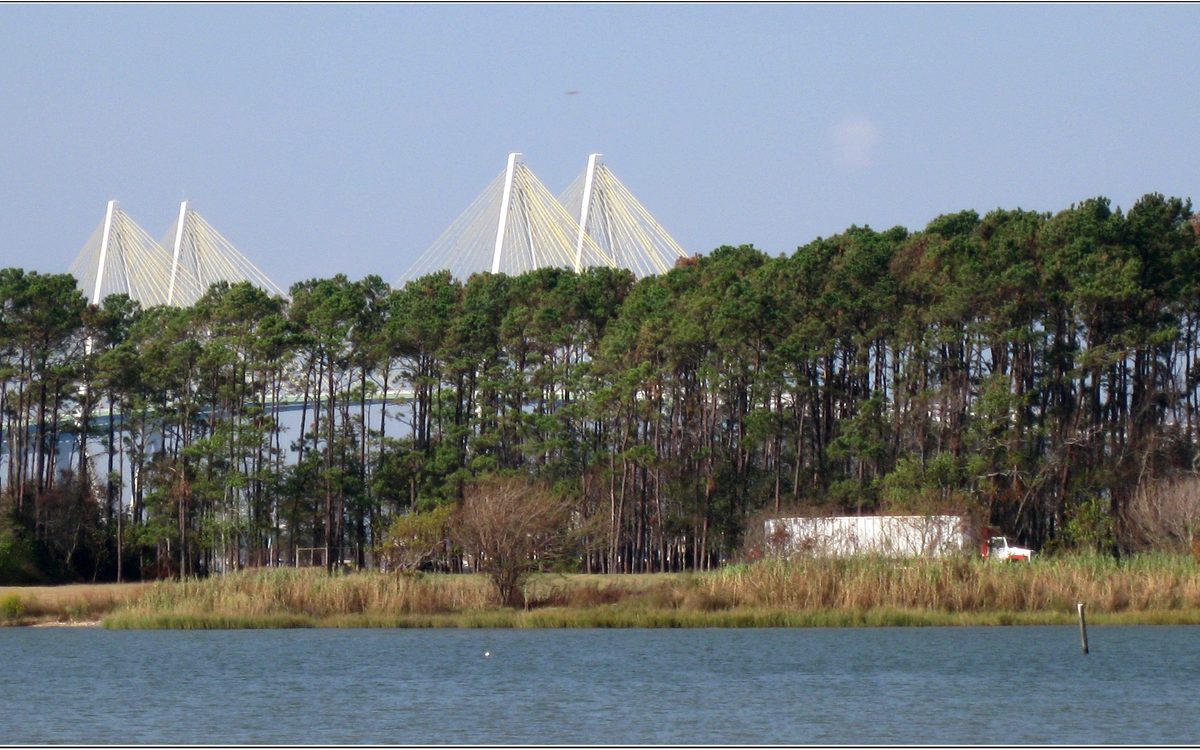
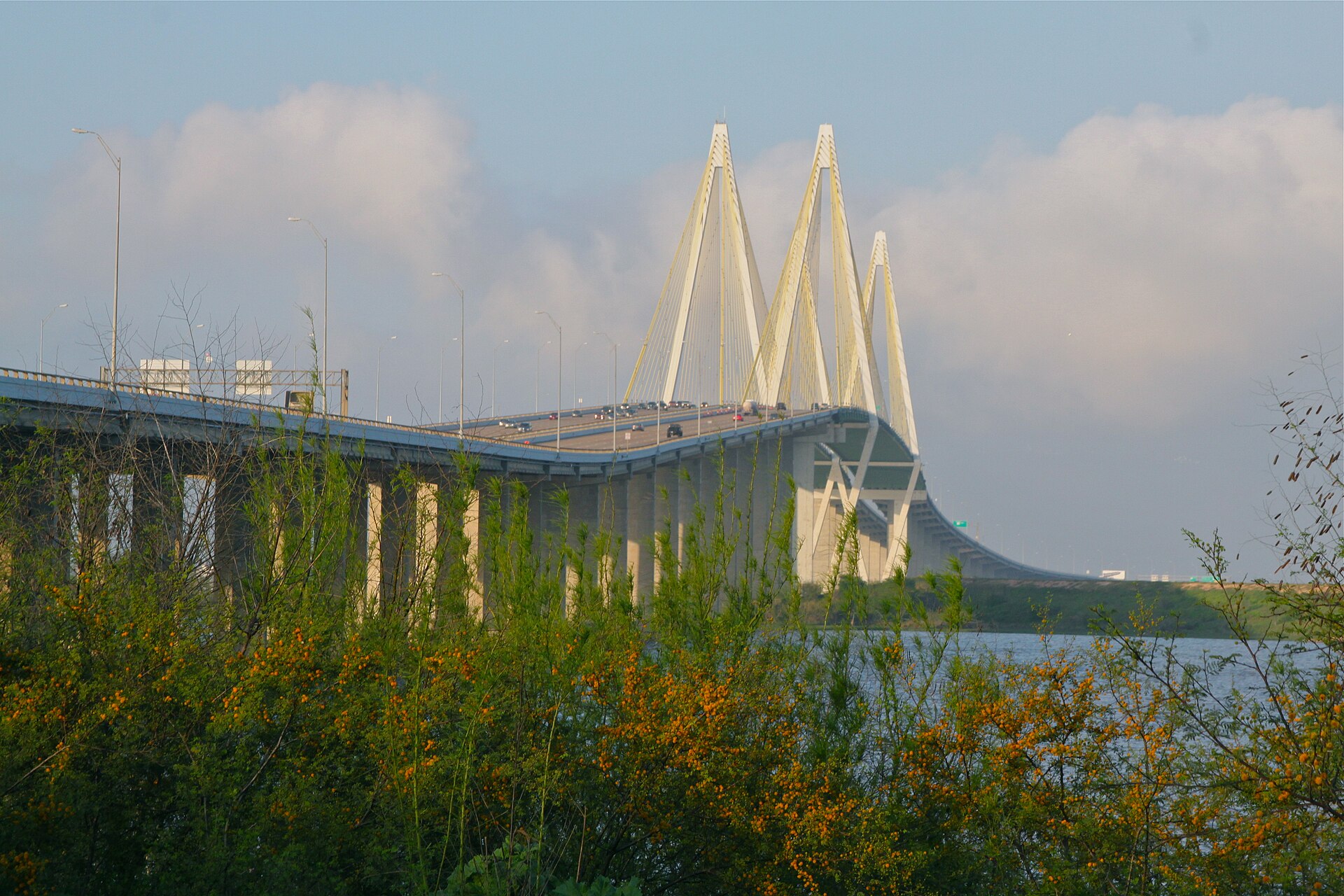
Midnight is a human invention. So is the first of January. The calendar we keep is a very good and very old piece of engineering, but it is engineering, not nature. The day begins at midnight because somebody decided it should. The year begins in the dead of winter, a few days after the solstice, because a Roman decided it should, and the rest of us have been going along with it ever since. Even the length of the year is a patch. The earth takes about three hundred sixty-five and a quarter days to get around the sun, and no calendar of whole days can hold a quarter, so every fourth February we stuff in an extra one to catch up. There is nothing in the sky that marks the moment. The stars over the bay at one minute past midnight are the stars that were there at one minute before. The tide in Tabbs Bay does not turn on the hour. Stand on the pier at Bayland and wait for the year to change, and you will not see anything change at all. You would see the flare, and the lights on the ships waiting at anchor, and the red blink on top of the towers of the Fred Hartman Bridge, and that would be it.
What is real about the year is that the earth goes around the sun, and that takes a certain amount of time, and then it does it again. The year has no beginning and no end; it is a circle. We draw it as a line because a line is easier to print on a calendar, and because a line lets us pretend that something is finished when we tear off December. But the planet does not tear anything off. It comes back around. Winter comes back. The northers come down the bay again. The birds come through the Nature Center in the fall and come through again in the spring going the other way. The hurricane season opens on the first of June and closes on the last of November and opens again. Nothing ends. It comes around.
The plant knows this better than the town does, because the plant is built as a circle, too. Look at a diagram of any unit out there and you will see loops. Heat goes out of one stream and into another: a stream that has to be cooled is run past one that has to be heated, so the two pay for each other and the furnace has less to do. Steam is raised, does its work, is condensed, is raised again. Catalysts are used and regenerated and used. Cooling water goes out to the towers and comes back. The whole enormous thing is a set of circles inside circles, and the reason it can run for years without stopping is that almost nothing in it is allowed to go in a straight line to an end. The crude is the only thing that really goes through, and even that is not an ending. Nothing in a refinery is destroyed. The carbon and the hydrogen that came in as oil go out as something else, rearranged, and then they go out into the world and become the tires on your truck and the seat in your child's car and the tube in the hospital on Garth Road. Conservation of mass is the oldest circle there is.
If the plant keeps a year of its own, it is not the one on the kitchen calendar. It is counted in run lengths. A unit is lit and it runs, and the people who tend it talk about the run the way you would talk about a long voyage, so many months since the last turnaround, so many until the next, and that count is the only calendar the process answers to. Its new year comes whenever the schedule says the unit comes down, and there are no fireworks for it, only weeks of scaffolding and cranes and a few thousand strangers filling the hotel lots and the RV parks, the whole thing opened up and looked into and closed again. Then the furnace is lit, and the run begins, and nobody in the control room says happy new year, though that is what it is. I have never heard anyone out there call it that.
And the town, honestly, is the same, whether or not we feel it on a holiday. The hospital on Garth Road did not close at midnight. In most years somebody is born there in the small hours of the first of January, and somebody is on the floor to catch the baby, and that person watched the countdown on a phone in a break room and then washed up and went back in. The ferry at Lynchburg was still crossing, or would be at first light, for free, a few minutes each way. Somebody was on the bridge. Somebody was on the water. Somebody was on the tower. The town does not run because of a date. It runs because a few thousand people, on any given night, are at work while the rest of us sleep.
I like the resolutions. I make them. There is nothing wrong with deciding that a line has been crossed and that you are going to be different on the far side of it. But I have come to think that the plant's way of seeing the year is the truer one, and that the resolution that lasts is the one still running at three in the afternoon on a Tuesday in March, when nobody is watching and nothing is marking the occasion, whether or not it began at midnight. The plant's resolution is the same every day. Hold the temperature. Hold the pressure. Do not stop.
By dusk on the first of the year the town has gotten up and eaten and gone back to bed early, because most of it has to work in the morning. The trash can in the driveway has been set upright. The wind has come around to the north and the bay has gone that flat gray it goes in winter. The pot of peas is in the refrigerator with foil over it, half gone; it will be lunch tomorrow and the day after, which is what a pot of black-eyed peas is for. In a house off Garth Road somebody who was on the board at midnight is asleep with the blinds shut against a sun they have not seen since yesterday afternoon, boots by the door, the alarm set for four. At four the truck will start, and the gate will open, and the numbers on the wall will be exactly where they were left.